Menopause
10 November 2026
/
Rupa Lyall
Menopause is finally getting the attention it deserves. But as awareness grows, so does the number of products, promises and treatments being marketed to women. Are we losing sight of what really matters?
Walk into a shop or scroll through social media and you’ll find an increasing number of products labelled specifically for menopause.
From shampoos and skincare to supplements, sleep products and wellness programmes, menopause has become a significant commercial opportunity.
Greater awareness is something worth celebrating. For too long, women have struggled with symptoms without understanding what was happening or knowing where to turn for help.
But there’s an important difference between raising awareness and creating a market around women’s concerns.
And I believe we need to talk about it.
Does Everything Need a Menopause Label?
Not every product marketed for menopause is unnecessary. Some may genuinely help women feel more comfortable, improve their wellbeing or manage particular symptoms.
But simply putting the word menopause on a product doesn’t mean it has been clinically proven to help menopause symptoms.
Women deserve to understand what they’re buying, what evidence supports it and whether it is likely to make a meaningful difference.
They also deserve to know that managing menopause doesn’t have to involve spending large amounts of money on products promising to restore their energy, confidence or youth.
Menopause is a natural stage of life. It isn’t something that needs to be fixed, and women certainly don’t need to be made to feel inadequate because they’re experiencing it.
We Need to Look Beyond the Hormones
When a woman seeks help with menopause symptoms, there’s often much more happening in her life than hormonal changes alone.
She may be struggling with sleep while juggling a demanding job. She might be caring for children, supporting ageing parents or dealing with changes in her relationships.
Perhaps she’s experiencing anxiety, joint pain, vaginal dryness or a loss of confidence that she hasn’t spoken about before.
And sometimes, she has become so accustomed to putting everyone else’s needs first that her own health has slipped to the bottom of the list.
These experiences cannot always be addressed with a supplement, a skincare product or even HRT alone.
We need to understand the woman, not just her symptoms.
That means listening, exploring her medical history, understanding her lifestyle and discussing how symptoms are affecting her everyday life.
It also means recognising that not every symptom experienced in midlife is necessarily caused by menopause.
Good Menopause Care Is About Choice, Not Pressure
Hormone replacement therapy (HRT) can be an effective treatment for many menopause symptoms, but it isn’t the only option, and it won’t be suitable or necessary for every woman.
Depending on individual circumstances, care may include vaginal oestrogen, non-hormonal prescription treatments, cognitive behavioural therapy (CBT), lifestyle measures or a combination of approaches.
Sometimes, the most valuable first step is simply having the time and space to talk openly about symptoms and concerns.
Women should feel informed and supported when making decisions about their health, rather than pressured into buying a product or starting a particular treatment.
And if a woman chooses not to take HRT, that decision deserves respect too.
When Menopause Advice Becomes Misinformation
Alongside the growing menopause market, there’s been an explosion of information and advice shared through social media, podcasts, online forums and wellness platforms.
Some of this has been incredibly valuable in helping women recognise symptoms, share experiences and feel less alone.
But not all advice is evidence-based, and not everyone offering recommendations has the clinical training to assess whether a treatment is appropriate or safe.
Women may encounter suggestions to increase their oestrogen dose, change how they take progesterone, add testosterone or use HRT in ways that fall outside standard prescribing recommendations.
What works for one woman may be unsuitable for another.
HRT prescribing requires an understanding of medical history, individual risk factors, treatment indications, appropriate doses and the need for adequate endometrial protection where relevant.
There are circumstances where prescribing outside a medicine’s licence may be clinically appropriate, but these decisions require careful assessment, a clear rationale and appropriate monitoring.
More HRT doesn’t necessarily mean better symptom control. And changing treatment without appropriate clinical guidance can increase the risk of unwanted effects or harm.
This is why evidence-based advice matters.
Women should feel empowered to ask questions, understand their treatment and take an active role in decisions about their health. But they should also feel confident that the advice they’re receiving comes from appropriately qualified healthcare professionals who understand the benefits, risks and limitations of treatment.
Sharing experiences can offer reassurance. Prescribing advice requires clinical expertise.
If your current HRT isn’t helping, speak to your prescribing healthcare professional before making changes to your treatment.
Why Personalised Menopause Care Matters to Me
After more than 20 years working as a pharmacist, I’ve seen how important it is to listen to people, understand their concerns and look at their health as a whole.
As a Menopause Pharmacist and Independent Prescriber, I believe women deserve more than a quick conversation about hot flushes or a prescription without understanding the wider picture.
This belief is at the heart of why I established Your Menopause Care with Rupa.
My aim is to provide a welcoming space where women can speak openly, ask questions and receive personalised, evidence-based advice about their menopause health.
Whether you’re considering treatment for the first time, already taking HRT or simply unsure whether your symptoms are related to menopause, your concerns deserve to be heard.
Let’s Put Women’s Health Back at the Centre
Menopause awareness has come a long way, and that deserves recognition.
But awareness alone isn’t enough.
Women deserve more than expensive products, conflicting information and promises of quick solutions.
They deserve to be listened to, to understand their treatment options and to receive advice grounded in clinical evidence rather than commercial interests or social media trends.
Menopause care should never be about selling more products, prescribing more hormones or following someone else’s treatment journey.
It should be about understanding each woman as an individual, recognising the wider impact of symptoms on her life and helping her make informed decisions about her health.
That’s the approach I believe in, and it’s at the heart of Your Menopause Care with Rupa.
Because ultimately, good menopause care isn’t about more treatment. It’s about the right care for the right woman.
If you’d like personalised advice about your menopause symptoms or treatment, explore my consultation services to find out how I can help.
Author
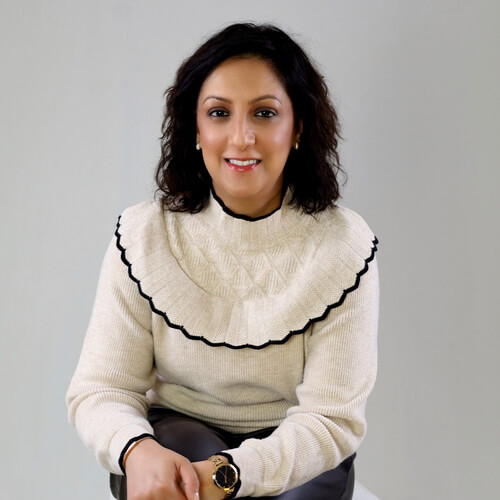
Rupa Lyall
MPharmMenopause Pharmacist & Independent Prescriber
Rupa is a Pharmacist Independent Prescriber with over 22 years of experience across community pharmacy, NHS primary care and online healthcare, with a particular focus on menopause and women’s health.
She holds the British Menopause Society’s Management of Menopause Certificate and Advanced Certificate in Principles and Practice of Menopause Care. She is the founder of Your Menopause Care with Rupa, a CQC-registered UK online menopause clinic.
Her approach combines evidence-based care with clear, practical advice, helping women navigate perimenopause, menopause and postmenopause and make informed choices about their health.
Contact Rupa
Categories


Begin your
menopause journey
Personalised online care from the comfort of your home at my online menopause clinic. Evening & weekend online appointments available.
 (opens in a new tab)
Book Your Appointment
Secure. Confidential. Convenient.